AIDS Action Europe
4 minutes
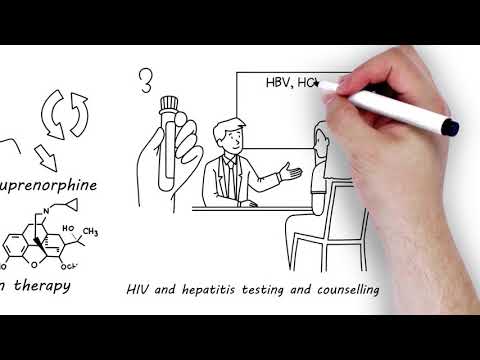
Harm reduction means helping a person lower the harm from substance use without requiring them to stop first. It meets people where they are. Any positive change counts: using less, using more safely, or staying alive long enough to choose treatment later. Here are examples you may see or offer. Naloxone is a medicine that reverses an opioid overdose. The person and their family can keep it on hand. Sterile needles and supplies lower the spread of HIV and hepatitis. Fentanyl test strips check drugs for fentanyl. Never use alone, so someone can help in an overdose. Go slow after a break, because the body handles less than before. Harm reduction does not mean you approve of drug use. It means you value the person's life and health today. Public health agencies support it because it saves lives and builds trust. People who feel respected are more likely to come back and to accept treatment later. It fits every stage of change, including a person not ready to stop. Your agency's policy and local law shape what you can hand out. After this Concept you can name practical ways to lower a client's risk of overdose and infection and talk about them without judgment.