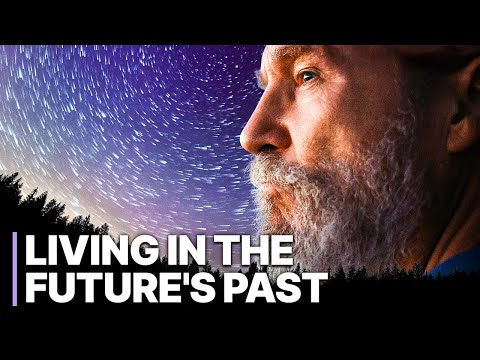
Moconomy
83 minutes
Humans carry evolved instincts (status seeking, imitation, optimal foraging, short-term reward discounting, group identity) that were adaptive for small kin-based hunter-gatherers but are mismatched to a modern society powered by energy surplus, where they drive unsustainable consumption. Human societies behave as a superorganism whose growth is fueled by energy flows; fossil fuels, a one-time stock of ancient solar energy, raised population and complexity far beyond solar-flow limits, and net energy (EROEI) governs what the system can sustain. The topic sits at the intersection of evolutionary psychology, biophysical economics and ecology, explaining why knowledge of environmental harm does not reliably change behavior.