khanacademymedicine
10 minutes
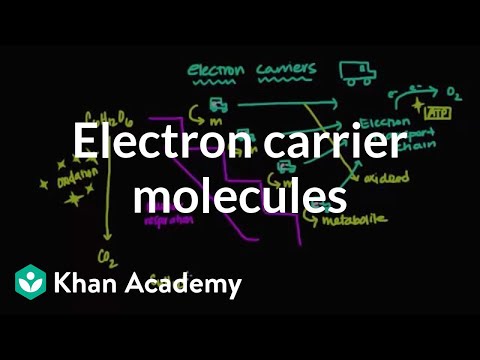
Glucose is oxidized to carbon dioxide through many enzyme-catalyzed steps (cellular respiration) rather than by single-step combustion, and the electrons removed at each step are captured by electron-carrier coenzymes, chiefly NAD+ and FAD, which are reduced to NADH and FADH2 and deliver the electrons to the electron transport chain, where their flow drives ATP production. Stepwise, enzyme-controlled oxidation overcomes the high activation energy of combustion at body temperature and harvests energy as usable ATP rather than wasted heat. This is core biochemistry and bioenergetics, linking oxidation-reduction chemistry with metabolism.