Marginal Revolution University
8 minutes
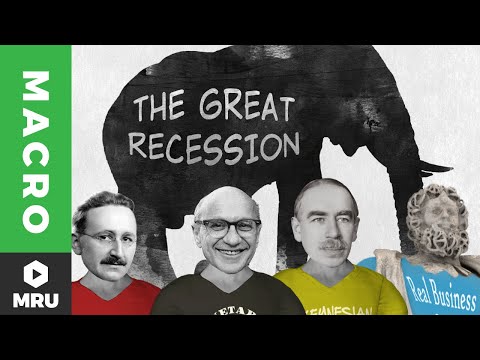
Four distinct macroeconomic frameworks—Keynesian, Real Business Cycle (RBC), Monetarist, and Austrian School—are presented to explain business cycle fluctuations through differing primary mechanisms: aggregate demand shortfalls, supply-side productivity shocks, monetary policy failures regarding nominal expenditure stability, and credit-driven malinvestment. These theories collectively address the causes of recessions by attributing them either to insufficient consumption/investment/government spending (Keynesian), structural deviations in productivity growth or labor market friction (RBC), inadequate central bank expansion during crises (Monetarist), or pre-crisis government-induced distortionary monetary policy creating asset bubbles (Austrian). This domain belongs to macroeconomic theory, where the parent discipline utilizes these divergent perspectives as complementary lenses for analyzing complex historical economic events like the Great Recession rather than competing single explanations.