Dr Germán Rosas-Acosta
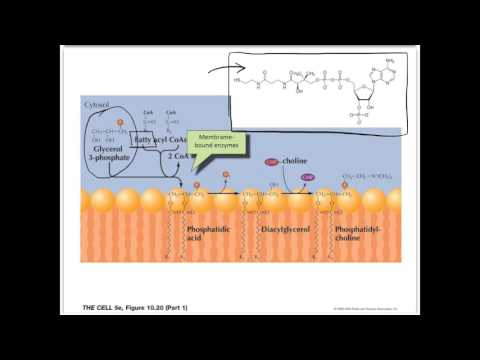
The endoplasmic reticulum is the principal site of membrane lipid biosynthesis in mammalian cells, where phospholipids are assembled on the cytosolic face of the ER membrane from glycerol 3-phosphate and coenzyme-A-carried fatty acids, generating a common precursor (diacylglycerol) that is then head-group-modified to yield the major phospholipid classes. Because synthesis occurs exclusively on one leaflet of the bilayer, a dedicated enzyme (flippase) is required to translocate hydrophilic phospholipid head groups across the hydrophobic membrane core to maintain bilayer balance. This is cell biology theory concerning membrane biogenesis, relating lipid biochemistry to the structural and functional role of the endoplasmic reticulum within the broader discipline of cellular membrane organization.