Gemma Sharp
27 minutes
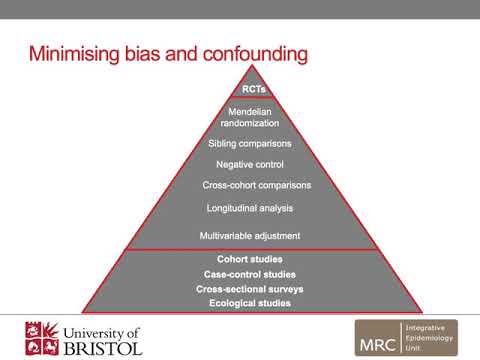
When two things move together, the data alone cannot say which one causes the other. Reverse causation is the possibility that the arrow runs the other way: the supposed effect is actually the cause. A cross-sectional measurement, taken at one moment, cannot order the two, so before accepting a causal story you ask whether the reverse story explains the same correlation just as well. The voice study behind this Path is a worked case: pitch variability correlates with verbal fluency (r = 0.17), with the g factor (r = 0.14) and with openness (r = 0.13), and a lively voice could follow from fluent speech as easily as fluent speech could follow from a lively voice. Deciding which way the arrow points needs a time order (which came first), an intervention that changes one side, or a mechanism that only runs one way.