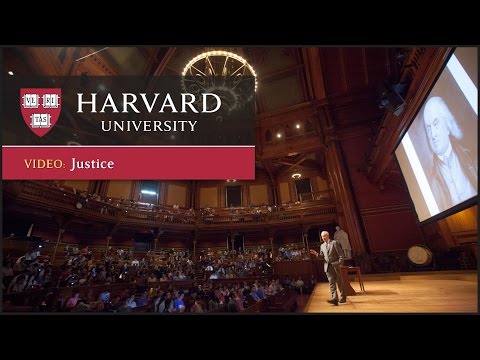
Harvard University
55 minutes
Moral reasoning about the permissibility of an act can be grounded in one of two competing frameworks: consequentialist reasoning, which locates the rightness of an act in the state of the world it produces (paradigmatically, utilitarianism's principle of maximizing aggregate utility — the balance of pleasure over pain), and categorical reasoning, which locates rightness in the intrinsic character of the act itself, independent of consequences, via absolute duties or rights. This distinction belongs to normative ethics within moral and political philosophy, and it structures how competing justifications (necessity, procedural fairness, consent) are evaluated against a single act.