Nathaniel Jue
53 minutes
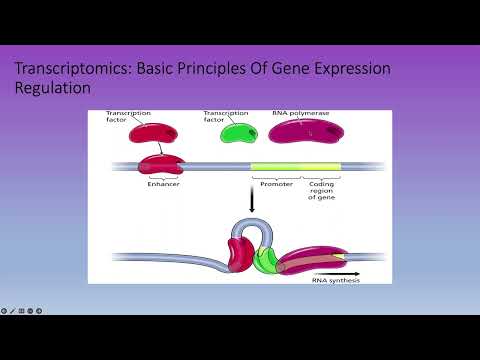
Transcriptomics is defined by the study of transcriptomes—the identity and quantity of all RNA expressed from a genome—which serves as a dynamic indicator of cellular phenotype distinct from the static genomic sequence. The core theoretical principle relies on transcriptional regulation mechanisms, specifically through response elements like enhancers and promoters that control gene expression patterns via protein-DNA binding complexes such as those involving RNA Polymerase II. In this domain, analysis involves interpreting quantitative differences in transcript abundance across cell types or conditions to infer functional states, utilizing statistical models that account for biological variance, normalization metrics (e.g., TPM), and multiple testing corrections to identify significant differential gene expression within the broader discipline of molecular biology.