Tiny Medicine
4 minutes
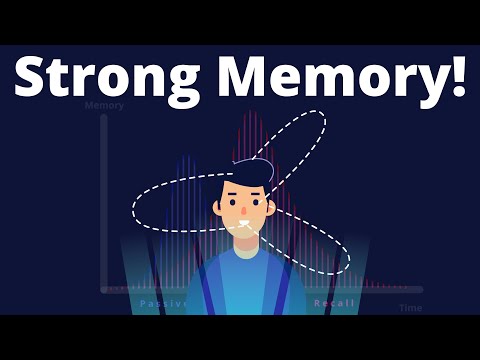
Pashler's review closed with a recommendation, and it is the constructive half of the verdict: spend the effort that learning-styles diagnosis would consume on practices with strong evidence. The two with the largest and most replicated effects are retrieval practice and spacing. Retrieval practice means having students pull information out of memory, through questions, low-stakes quizzes, or free recall, rather than re-reading or re-watching it; the act of retrieving strengthens the memory far more than re-exposure, and the effect holds across ages, subjects, and formats. Spacing means distributing practice over time with gaps between sessions rather than massing it; the same total time spent in spaced sessions produces substantially better long-term retention. Both feel worse to students than the alternatives, because effortful retrieval and returning to half-forgotten material are uncomfortable, which is why student preference points the wrong way. Neither requires diagnosing anyone. A third practice, matching the mode of instruction to the content rather than to the learner, captures the grain of truth in learning styles: geometry is taught with diagrams and pronunciation with sound because of what is being learned, not who is learning it. A teacher who drops style diagnosis and adopts these three practices has traded a technique with no measured benefit for two with among the strongest effects in the field. After this Concept you can name what to do with a lesson-planning hour instead of sorting students, and say why the students' own preferences are not the guide.